🌟 Key Highlights: Mountain Youth Academy
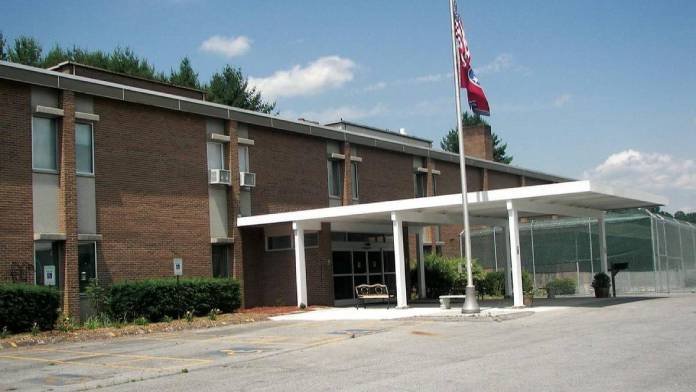
Mountain Youth Academy (MYA) is a private, co-educational trauma-based residential treatment facility in Mountain City, Tennessee. It is committed to providing integrated mental health and educational services for at-risk youth by utilizing a multidisciplinary, trauma-focused approach in a secure, therapeutic, and compassionate environment.
🏫 Overview
-
Type: Private / Special Purpose / Residential Treatment Facility (Non-sectarian)
-
Location: Mountain City, Tennessee (Johnson County, near the VA border)
-
Ages/Grades Served: Children and adolescents, ages 5–17 (Educational services cover Grades K–12)
-
Enrollment: Varies, serving a specialized population with an IQ generally 65 or above (with specific programs for intellectual disabilities).
-
Core Mission: To provide mental health and educational services to enhance the quality of life for at-risk youth and their families through service excellence, compassion, integrity, and respect.
-
Affiliation: A specialized facility within the Universal Health Services (UHS) network.
-
Accreditation: Accredited by the Commission on Accreditation of Rehabilitation Facilities (CARF) and operates a Category I Licensed Non-Public School through the Tennessee State Board of Education.
-
Focus: Trauma-based residential treatment for mental health conditions, behavioral issues, and co-occurring substance use disorders, with an integrated, individualized academic curriculum.
✅ What Makes the School Unique?
MYA is distinguished by its trauma-focused clinical model, integrated education, and specialized services:
-
Integrated Treatment and Education: Provides a holistic program where a licensed, on-site school (Grades K–12) ensures educational continuity while the student receives intensive therapy. All academic credits earned transfer back to the student’s local education agency (home school).
-
Trauma-Focused Care: Utilizes a trauma-focused cognitive behavioral treatment model. All staff are trained to understand the impact of trauma, and therapeutic approaches like Eye Movement Desensitization and Reprocessing (EMDR) and Neurofeedback are offered.
-
Individualized Education Programs (IEPs/RTI): The school provides Special Education services and utilizes the Response to Intervention (RTI) framework to tailor academic plans to meet each student’s specific educational and behavioral needs.
-
Vocational and STEM Offerings: The curriculum extends beyond core academics to include STEM classes and vocational programs with potential certifications (e.g., Certified Nursing Assistant (CNA), Computer-Aided Drafting (CAD), Serve Safe Certification).
-
Multidisciplinary Approach: Treatment teams are composed of psychiatrists, master-level clinicians, social workers, and licensed teachers who collaborate to provide a secure and therapeutic milieu in a locked facility.
-
Accreditation Excellence: Holds CARF accreditation, an internationally recognized benchmark for health and human services, confirming the high quality and standards of its rehabilitation and treatment programs.
-
Therapeutic Enrichment: Services include robust recreation therapy, yoga, social skills groups, and creative therapies (art, music, drama), as well as vocational training and programs like Animal Husbandry.
📞 Contact Information
| Detail | Information |
| Address | 332 Hospital Road, Mountain City, TN 37683 |
| Crisis/Assessment Phone | 1-888-828-7393 (Kid Link Tennessee Call Center) |
| General Phone | (423) 727-9898 |
| Website | mountainyouthacademy.net |
Recess Policies
- Which grades at your school receive daily recess or free break periods?
- How are recess and/or free break periods structured? Timing?
Technology / Device Use
- Are cell phones or other personal devices restricted during the school day? What is the policy?
- What are the consequences for violating technology policies?
- Are there any other technology policies? For example, are there technology controls inside and/or outside of school (e.g., web monitoring, filters, etc.)?
Behavior
- What are the school's behavior policies?
- Does the school have a behavior/discipline matrix that lists the behaviors and the appropriate consequences? Could you please include your school’s behavior/discipline matrix?
A school can have discipline/behavior policies, but these policies can be broad. It can be difficult to understand the actual consequences and what actually occurs at school. This section displays the concrete consequences that occur for various behaviors based on teacher feedback. If you are/were a teacher, please email me (Mark Yager) at myager890@gmail.com to give your input. You will remain anonymous when you provide your input.
Explanation of discipline at the school (Summarized based on teachers' input):
| Type of Behavior | Typical Consequence / School Response |
| Tardiness / Late to Class | |
| Dress Code Violation | |
| Failure to Follow Directions / Classroom Rules | |
| Disruption in Class (talking out, off-task behavior, etc.) | |
| Incomplete Homework or Repeated Lack of Effort | |
| Possession or Misuse of Cell Phone / Electronic Device | |
| Disrespect to Teacher / Staff | |
| Use of Inappropriate or Profane Language | |
| Dishonesty / Cheating / Academic Misconduct | |
| Minor Property Misuse or Damage | |
| Bullying / Teasing / Harassment (Verbal or Online) | |
| Defiance / Refusal to Comply with Staff Directives | |
| Leaving Class or Campus Without Permission | |
| Physical Aggression / Fighting | |
| Vandalism or Major Property Damage | |
| Possession of Tobacco or Vaping Device | |
| Possession or Use of Alcohol / Drugs | |
| Threatening Behavior or Intimidation | |
| Possession of a Weapon or Dangerous Object | |
| Other Behavior: | |
| Other Behavior: | |
| Other Behavior: | |
| Other Behavior: |
Sorry, no records were found. Please adjust your search criteria and try again.
Sorry, unable to load the Maps API.