
🌟 Key Highlights: Rutherford Academy
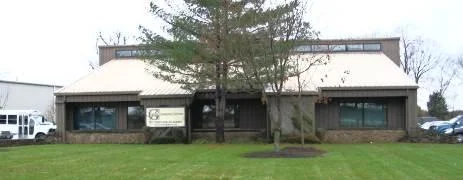
Rutherford Academy is a private, co-educational specialized school in Murfreesboro, Tennessee, exclusively dedicated to serving students with diverse learning needs and social challenges. It is committed to providing a highly individualized, supportive, and therapeutic educational environment that focuses on building academic competence, social skills, and self-esteem for students who may have learning differences, high-functioning autism, or other needs that prevent success in traditional settings.
🏫 Overview
-
Type: Private / Independent Specialized School for Students with Learning and Social Challenges
-
Location: Murfreesboro, Tennessee (Rutherford County)
-
Grades Served: Typically Elementary – High School (Grades 1–12, varies by program)
-
Enrollment: Varies, typically a highly specialized, smaller student body
-
Core Mission: To provide a safe, nurturing, and individualized educational experience that helps students with special needs and learning challenges develop the academic, social, and emotional skills necessary to lead independent and productive lives.
-
Affiliation: Independent private school.
-
Accreditation: Primarily accredited or approved through state licensing and non-public school associations.
-
Focus: Comprehensive education providing intensive, individualized support for students diagnosed with Autism Spectrum Disorder (ASD), ADHD, Anxiety, Executive Functioning challenges, and other learning differences.
✅ What Makes the School Unique?
Rutherford Academy is distinguished by its specialization, comprehensive support across all grade levels, and focus on social skills:
-
Specialized Learning Environment: The entire curriculum and teaching staff are dedicated to teaching students with learning and social differences. The small, structured environment reduces distraction and provides the necessary resources for academic success.
-
Individualized/Differentiated Instruction: The school emphasizes a highly individualized approach to meet students where they are, utilizing specialized instructional methods, small group settings, and tailored pacing to build confidence and mastery.
-
Focus on Social-Emotional Skills: A major component of the program is dedicated to social skills training and emotional regulation. The structured setting provides a safe place to practice appropriate social interactions and build peer relationships.
-
Comprehensive K-12 Program: Offers a continuous, supportive pathway from elementary through high school graduation, providing consistency in methodology and support services during crucial developmental years.
-
Life Skills Training: The curriculum often extends beyond academics to include practical life skills and vocational training to ensure students are prepared for transition out of the school environment, whether to post-secondary education or the workplace.
-
Small Class Sizes: Maintains an intentionally small class size and very favorable student-to-teacher ratio to ensure personalized attention and highly differentiated instruction.
-
Therapeutic Focus: While not a residential treatment center, the environment often incorporates therapeutic principles to address the anxiety and behavioral challenges often associated with learning differences.
📞 Contact Information
| Detail | Information |
| Address | 1020 N Highland Ave, Murfreesboro, TN 37130 |
| Phone | (615) 895-7117 |
| Website | rutherfordacademy.org |
Recess Policies
- Which grades at your school receive daily recess or free break periods?
- How are recess and/or free break periods structured? Timing?
Technology / Device Use
- Are cell phones or other personal devices restricted during the school day? What is the policy?
- What are the consequences for violating technology policies?
- Are there any other technology policies? For example, are there technology controls inside and/or outside of school (e.g., web monitoring, filters, etc.)?
Behavior
- What are the school's behavior policies?
- Does the school have a behavior/discipline matrix that lists the behaviors and the appropriate consequences? Could you please include your school’s behavior/discipline matrix?
A school can have discipline/behavior policies, but these policies can be broad. It can be difficult to understand the actual consequences and what actually occurs at school. This section displays the concrete consequences that occur for various behaviors based on teacher feedback. If you are/were a teacher, please email me (Mark Yager) at myager890@gmail.com to give your input. You will remain anonymous when you provide your input.
Explanation of discipline at the school (Summarized based on teachers' input):
| Type of Behavior | Typical Consequence / School Response |
| Tardiness / Late to Class | |
| Dress Code Violation | |
| Failure to Follow Directions / Classroom Rules | |
| Disruption in Class (talking out, off-task behavior, etc.) | |
| Incomplete Homework or Repeated Lack of Effort | |
| Possession or Misuse of Cell Phone / Electronic Device | |
| Disrespect to Teacher / Staff | |
| Use of Inappropriate or Profane Language | |
| Dishonesty / Cheating / Academic Misconduct | |
| Minor Property Misuse or Damage | |
| Bullying / Teasing / Harassment (Verbal or Online) | |
| Defiance / Refusal to Comply with Staff Directives | |
| Leaving Class or Campus Without Permission | |
| Physical Aggression / Fighting | |
| Vandalism or Major Property Damage | |
| Possession of Tobacco or Vaping Device | |
| Possession or Use of Alcohol / Drugs | |
| Threatening Behavior or Intimidation | |
| Possession of a Weapon or Dangerous Object | |
| Other Behavior: | |
| Other Behavior: | |
| Other Behavior: | |
| Other Behavior: |
Sorry, no records were found. Please adjust your search criteria and try again.
Sorry, unable to load the Maps API.